
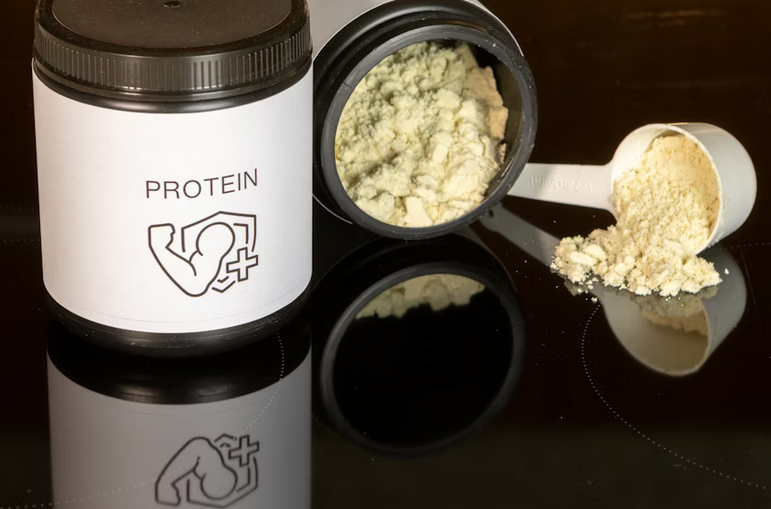
Protein is one of the most essential nutrients for muscle growth, recovery, and overall health, but not all proteins are created equal. With so many options available—ranging from whey and casein to plant-based alternatives—it can be difficult to know which type best suits your fitness goals or dietary needs. To make an informed choice, it helps to explore this breakdown of different protein types and understand how each one affects the body. By recognizing the unique benefits and uses of these proteins, you can create a nutrition plan that supports both performance and long-term wellness.
Whey Protein
Whey protein is the most widely used and researched protein supplement. It is a fast-digesting protein derived from milk, making it suitable for post-workout recovery. Whey provides a complete amino acid profile, including high levels of branched-chain amino acids (BCAAs) that are crucial for muscle repair. Its quick absorption makes it one of the best choices for athletes looking to build lean muscle mass and improve recovery time.
Casein Protein
Compared to whey, casein is a slow-digesting protein. It releases amino acids gradually, making it perfect for nighttime use. Taking casein before bed supports muscle repair during sleep and helps prevent muscle breakdown. While it doesn’t deliver the quick energy boost of whey, its long-lasting effect makes it an excellent option for sustained recovery and growth.
Soy Protein
Soy protein is a plant-based alternative that provides all nine essential amino acids. It is particularly useful for vegetarians and vegans looking for a complete protein source. Soy has been linked to improved heart health and can be a good option for those with dairy allergies. However, it digests slightly slower than whey, making it suitable for general supplementation throughout the day rather than just post-workout.
Pea Protein
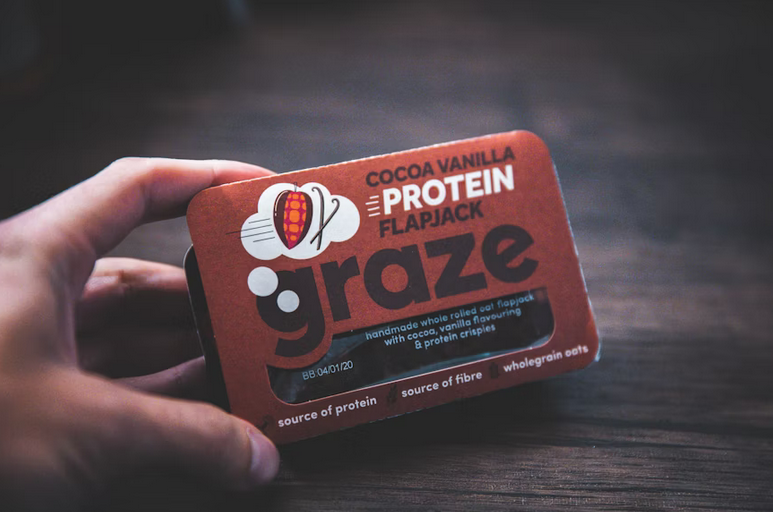
Pea protein has grown in popularity as a vegan-friendly option. While not as complete in amino acids as whey or soy, it is rich in arginine, which supports muscle pumps and recovery. It’s also hypoallergenic, making it an excellent choice for those sensitive to dairy or soy. Pea protein blends well with other plant proteins to create a more balanced amino acid profile.
Egg White Protein
Egg white protein is a high-quality, easily digestible protein source with a complete amino acid profile. It falls between whey and casein in terms of absorption speed, making it versatile for both post-workout and meal supplementation. Egg protein is also free of dairy, making it suitable for those with lactose intolerance.
Collagen Protein
Collagen protein is not a complete protein but is rich in amino acids that support joint health, skin elasticity, and connective tissue repair. It is not the best option for muscle building, but it can be an effective supplement for overall wellness, especially for those recovering from injuries or aiming to improve joint strength.
With so many protein types available, choosing the right one depends on your goals, dietary preferences, and lifestyle. Whey remains the go-to for muscle growth and recovery, while casein is ideal for overnight support. Plant-based options like soy and pea cater to vegan diets, and collagen provides benefits for joint and skin health. By understanding the strengths of each protein type, you can build a supplementation routine that maximizes your fitness results and overall well-being.
